Reviewing Pre-K-grade Tie Dye School Sublimation
As a designer who has spent years digitizing and reviewing machine embroidery design files, I approach every new asset with a mix of curiosity and caution. We often see trends come and go in the world of Crafts, but certain themes have staying power because they connect emotionally with buyers. Recently, I evaluated Pre-K-grade Tie Dye School Sublimation to determine its viability for real-world production. This is not just a digital file; it is a potential cornerstone for a seasonal product line. My goal here is to move beyond the marketing copy and discuss how this graphic translates into tangible, stitched reality for Etsy sellers, boutique owners, and hobbyists alike.
First Impressions and Visual Personality
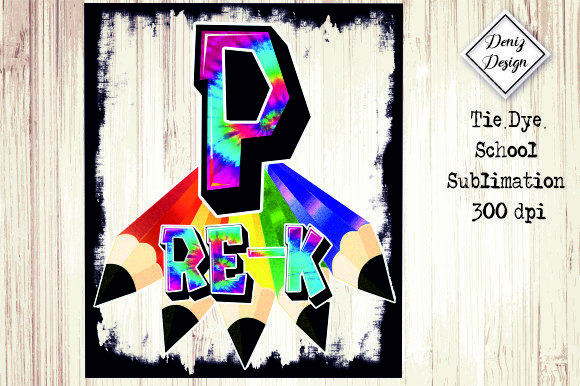
The immediate appeal of Pre-K-grade Tie Dye School Sublimation lies in its nostalgic yet modern aesthetic. The tie-dye motif evokes a sense of playful creativity, perfectly suited for the back-to-school season or casual everyday wear. Visually, the design carries a relaxed, organic mood. It does not rely on rigid geometric precision, which is a blessing for embroidery. Rigid lines often expose tension issues in stitching, whereas the fluid, blended nature of a tie-dye pattern allows for more forgiving stitch placement.
However, we must address the format. The product description notes it is a transparent background PNG at 300 dpi. For those of us working strictly in embroidery software, this presents a specific workflow challenge. Unlike a native embroidery file (such as PES or DST), a PNG is a raster image. You cannot simply load it into your machine. You must use digitizing software to convert this graphic into stitches. This means the final quality depends heavily on your digitizing skills or the quality of the auto-digitize function you employ. The note that "SVG files cannot be created" suggests this is purely a visual reference or a sublimation print file, not a pre-digitized stitch file. This distinction is critical for craft business owners who may expect a plug-and-play solution.
Real-World Application: The Custom Tote Bag Scenario
To test the practical value of this design, I imagined a common scenario: creating a custom tote bag design for a local preschool’s fundraising event. The client wanted something vibrant that would appeal to parents and children alike. Using Pre-K-grade Tie Dye School Sublimation as the central visual element, I considered how it would look on a canvas tote.
If you are sublimating this PNG directly onto polyester-blend fabric, the result will be crisp and colorful. However, if you are using this graphic as a reference for embroidery, the execution changes. On a tote bag, you might choose to create an applique design where the tie-dye effect is printed on fabric and then stitched down with a satin stitch border. This hybrid approach saves time and reduces stitch count, making the finished product softer and more durable. Alternatively, if you digitize it as a full fill, you must be mindful of stitch density. A dense fill stitch on a thin canvas can cause puckering, ruining the professional look of the item.
Fabric Considerations and Stitching Clarity
The success of any embroidery project hinges on the interaction between thread, fabric, and design. When working with a complex visual like a tie-dye pattern, thread colors become your primary tool for definition. If you attempt to replicate the gradient effects of the PNG using only solid threads, you need a strategic color palette. Blending shades of blue, purple, and pink can mimic the sublimation look, but it requires careful planning.
I advise caution when applying this design to textured fabrics. A high-pile fleece or a rough linen can obscure the finer details of the tie-dye swirls. For baby embroidery items, such as onesies or burp cloths, the fabric is often delicate. Here, a heavy digitization could compromise the comfort of the garment. In these cases, consider scaling down the design or using a lighter running stitch outline rather than a heavy fill. Always use the appropriate stabilizer; for stretchy knits used in sweatshirt embroidery, a cut-away stabilizer is non-negotiable to prevent distortion after washing.
Navigating Limitations and Technical Constraints
While Pre-K-grade Tie Dye School Sublimation offers great visual potential, it is not without limitations. The most significant hurdle is the file type. Since it is a PNG and not a vector or native embroidery format, resizing is possible but risky. Enlarging a raster image beyond its original resolution leads to pixelation, which makes accurate digitizing difficult. You must ensure your source file is large enough for your intended hoop size.
Furthermore, small details can get lost in translation. If the tie-dye pattern includes intricate, tiny swirls, these may not stitch out cleanly in small hoops, such as a 4x4 inch frame. The needle perforations can merge, turning distinct shapes into a blob of thread. I recommend testing the design on scrap fabric first. Check how the fabric texture interacts with the stitches. If you are selling personalized gift items, consistency is key. A flawed stitch-out can damage your reputation as a reliable small shop product provider.
Enhancing Product Value and Brand Consistency
From a business perspective, how does this design affect your bottom line? Designs that evoke emotion, like the playful nostalgia of this tie-dye theme, tend to drive higher engagement on social media and marketplaces. When used correctly, it enhances the perceived value of custom apparel and holiday embroidery gifts. It signals that the maker is attuned to current trends.
For digital embroidery file sellers, this graphic could serve as excellent promotional material. You can use it to create printable mockup images that showcase your digitizing skills. By displaying the PNG alongside your stitched version, you demonstrate your ability to translate complex graphics into thread. This builds trust with buyers who are looking for high-quality design assets for their own commercial embroidery ventures.
Practical Designer Notes for Implementation
Before you commit to producing a full batch of items using Pre-K-grade Tie Dye School Sublimation, consider these practical steps:
- Verify Licensing: Ensure you understand the commercial use rights. Since this is listed under Graphics, confirm if selling finished physical items is permitted.
- Digitize with Care: If converting the PNG, pay attention to underlay stitches. Proper underlay stabilizes the fabric and ensures the top stitches sit correctly.
- Test Color Contrast: View your digitized preview in black and white. If the design loses its shape without color, you need to adjust your stitch angles or density.
- Check Hoop Compatibility: Ensure the design fits your standard hoops without excessive re-hooping, which can lead to misalignment.
- Inspect Small Details: Zoom in on the digitized file. Remove any unnecessary jump stitches or tiny elements that may cause thread breaks.
In conclusion, Pre-K-grade Tie Dye School Sublimation is a versatile visual asset for the creative entrepreneur. It bridges the gap between digital sublimation trends and traditional needlework. While it requires technical diligence to convert and stitch properly, the payoff is a unique, eye-catching product that resonates with customers. Whether you are creating an embroidered patch, a cap, or a pillow cover, this design offers a fresh canvas for your craftsmanship. Treat it not just as a file, but as a starting point for thoughtful, high-quality creation.